
West Cork is a special place. It is a place where history, natural beauty, and cultural richness come together. From ancient stone circles to medieval castles, and from the heartbreak of the Great Famine to the revolutionary passion of Ireland’s fight for independence, this region has been at the heart of Ireland’s story for thousands of years.
In this blog, we’ll explore some of the key chapters in West Cork’s history – from its ancient roots and Viking connections to its role in rebellion and survival. So, step into the story of West Cork, where every stone and shoreline whispers of a past waiting to be discovered.
Ancient Roots of West Cork
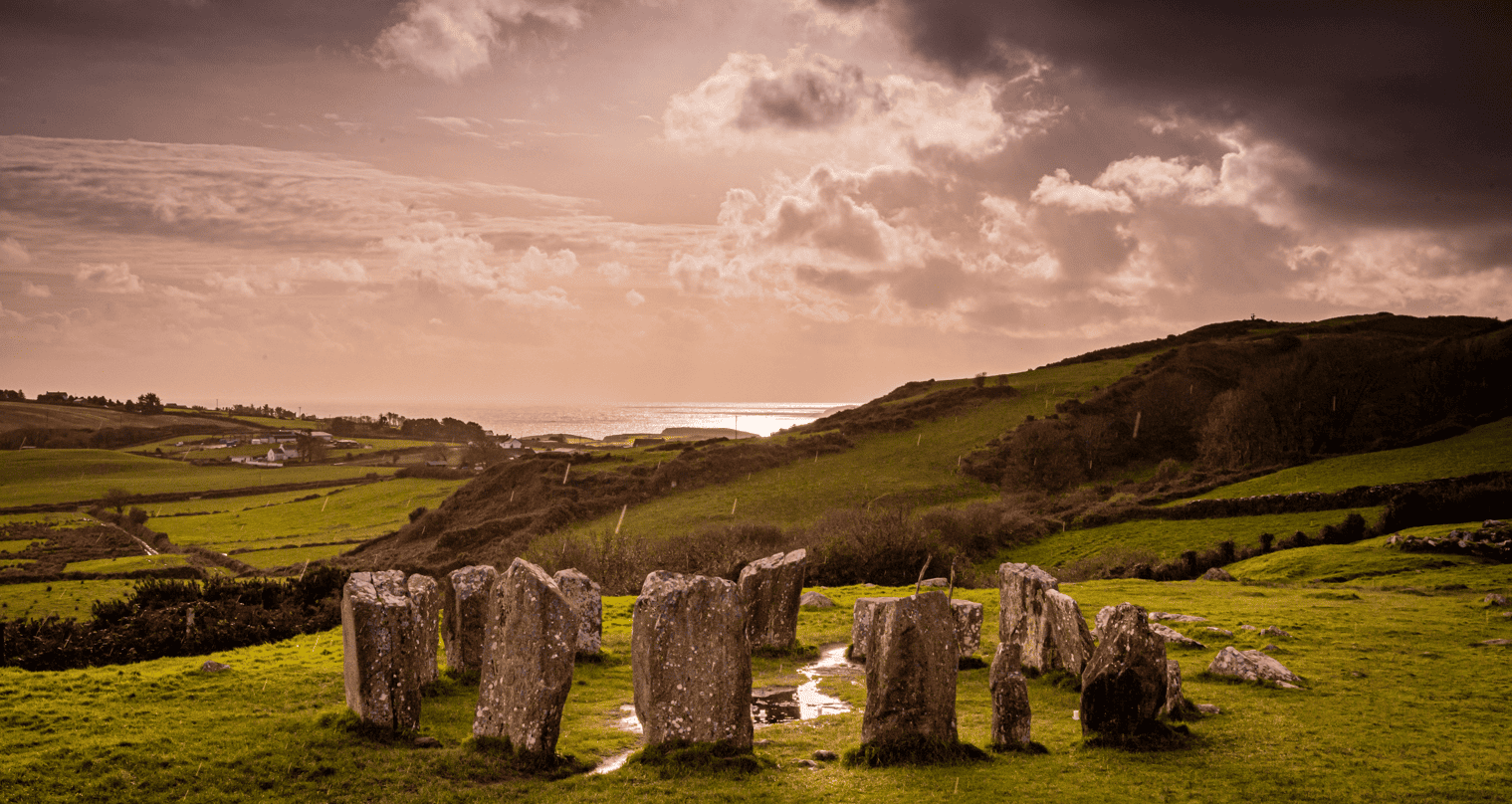
West Cork’s history stretches back thousands of years, making it one of the most captivating regions for those interested in Ireland’s ancient past. The landscape is scattered with mysterious stone circles, burial tombs, and standing stones, all of which offer a glimpse into the lives of Ireland’s earliest inhabitants.
One of the most iconic examples is the Drombeg Stone Circle, sometimes called the “Druid’s Altar.” This prehistoric monument dates back to around 1100–800 BC and is a highlight for visitors seeking a tangible connection to ancient Ireland. Nestled in a scenic coastal setting between the town of Rosscarbery and the village of Glandore, the circle is aligned with the winter solstice, showcasing the astronomical knowledge of its builders. Standing among the stones, it’s easy to imagine the rituals and ceremonies that may have taken place here, drawing together communities under the vast Irish sky.
Archaeological finds also point to an active Bronze Age culture in the region. Mount Gabriel is not only a natural landmark but also a site of historical significance due to its ancient copper mining activities. Archaeological findings have dated these mines back to Bronze Age period of 1500 – 1700 BC, making them some of the oldest known copper mines in Western Europe. The copper from Mount Gabriel was likely used in the production of tools, weapons and ornaments, indicating a sophisticated level of craftmanship and trade.
For visitors, exploring these ancient sites is more than just a history lesson – it’s an invitation to walk in the footsteps of those who shaped Ireland’s earliest stories, experiencing the mystique of a time long past.
Medieval and Viking Connections in West Cork
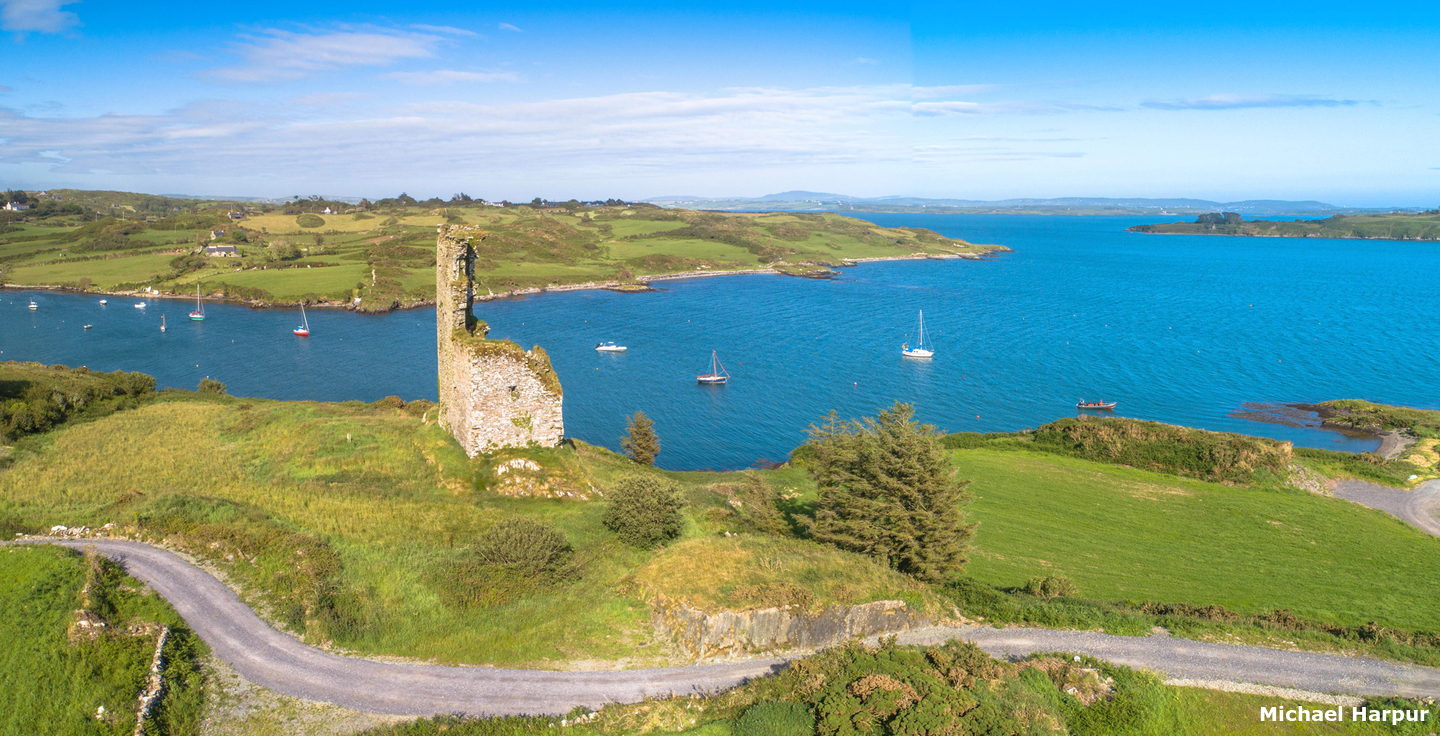
The medieval period brought profound changes to West Cork, leaving a legacy of stone-built monasteries, castles, and settlements that still capture the imagination of visitors today.
One of the most significant sites from this era is Timoleague Abbey, founded in the 13th century. Perched on the edge of the Atlantic, this Franciscan friary was once a thriving centre of learning and spiritual life. Its ruins today offer a hauntingly beautiful window into the medieval world, with Gothic arches, intricate carvings, and sweeping coastal views that make it a favourite stop for history enthusiasts and photographers alike.
West Cork’s medieval castles tell another story of power and resilience. Rossbrin Castle, for example, was a stronghold of the O’Mahony clan, one of the dominant families in the region during the Middle Ages. This coastal fortress played a key role in defending the family’s territory and trading interests, particularly in the export of fish to mainland Europe.
During this period, West Cork also felt the influence of the Vikings, who arrived on Ireland’s shores in the 9th and 10th centuries. While their initial incursions were marked by raids, over time, the Vikings began to settle and integrate into Irish society. In coastal areas like West Cork, they established trade routes and small settlements, leaving a lasting mark on the region’s culture and economy. Evidence of their presence can still be traced in local place names and artifacts uncovered in archaeological digs.
This blend of monastic devotion, clan warfare, and Viking enterprise creates a tapestry of medieval life in West Cork. Each stone ruin and windswept site has its own story, waiting to be rediscovered by modern explorers.
The Great Famine and Its Impact on West Cork
The Great Famine, also known as An Gorta Mór, struck Ireland between 1845 and 1850 and profoundly affected rural regions of the country. West Cork was a region badly affected by the famine due to its heavy reliance on subsistence farming and the potato as a primary source of food. The population here suffered greatly, with some areas losing up to half of their inhabitant’s, through mortality and emigration.
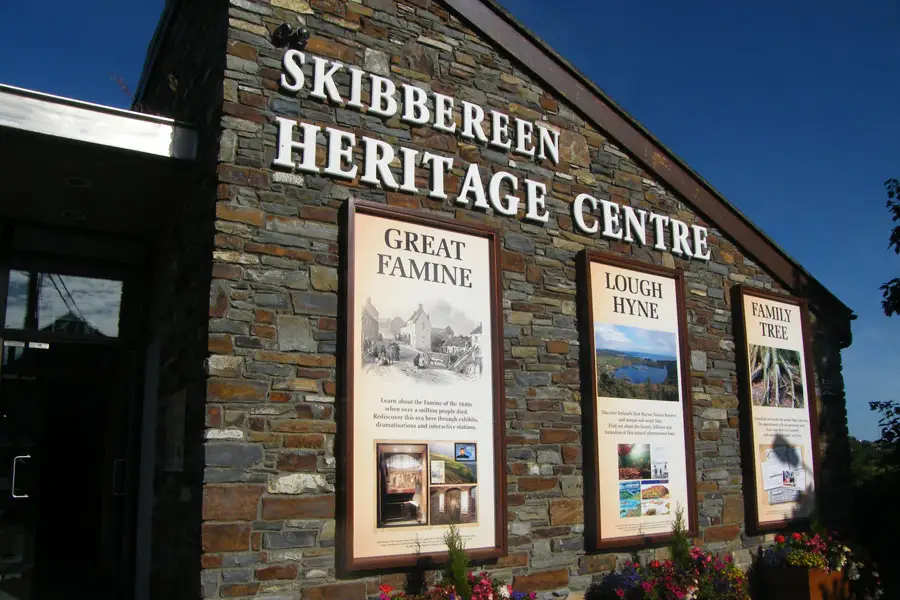
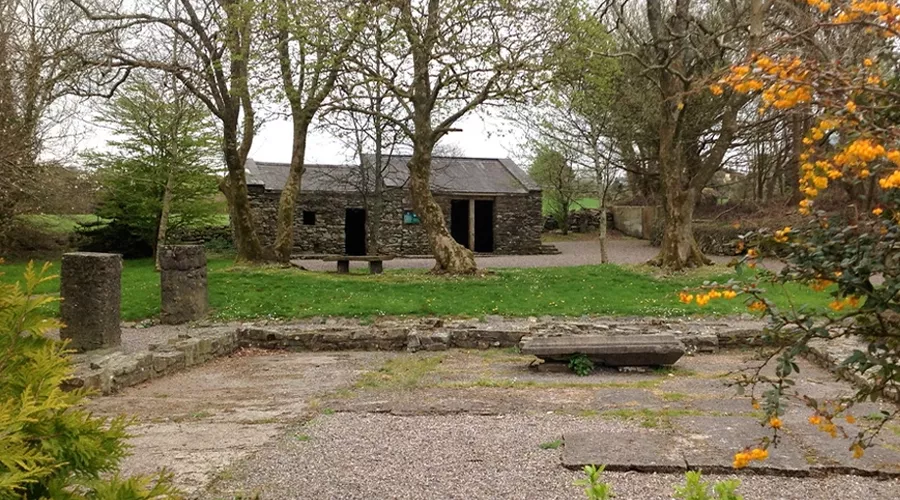
The town of Skibbereen is often highlighted in accounts of the Great Famine due to its particularly high death rates and severe conditions. The towns history is marked by the mass graves at Abbeystowry Cemetry, where thousands of famine victims are buried, serving as a poignant reminder of this tragic period. Visitors to West Cork can explore this rich history at the Skibbereen Heritage Centre, which offers exhibitions of the famine and other aspects of the region’s local heritage.
Mass emigration during the famine saw West Cork families board ships – often called “coffin ships” due to their high mortality rates—bound for America, Canada, and Australia. The pain of separation and loss is still remembered in the region, and many descendants of emigrants return to reconnect with their roots.
The famine also had a lasting impact on West Cork’s landscape, with abandoned villages, famine roads, and workhouses serving as silent witnesses to the devastation. By visiting these sites and understanding the impact of the Great Famine, it is a sobering reminder of the resilience of the Irish spirit and the deep ties between past and present.
Rebellion and Revolution
One of West Cork’s most famous sons is undoubtedly Michael Collins, a towering figure in Irish history. Collins was a key Irish leader in the 1916 Easter Rising and a pivotal figure in the subsequent War of Independence. He played a crucial part in negotiating the Anglo-Irish Treaty, which led to the establishment of the Irish Free State.
Visitors touring West Cork can explore Collins’ legacy at the Michael Collins Centre and Museum and the Michael Collins House Museum in the town of Clonakilty. Both tours involve a deep dive into his life and the broader history of the Irish independence movement. A fascinating day tour involves recounting his “Last Day” on 22nd August 1922. This journey involves visiting all the key locations that Collins stopped on this fatal day, including Béal na Bláth ambush site, where Collins tragically lost his life.
The region was also the stage for numerous ambushes and battles that defined the guerrilla warfare tactics of the Irish Republican Army (IRA). Perhaps the most famous of these is the Kilmichael Ambush, where IRA forces led by Tom Barry achieved a significant victory over British Auxiliaries. This event is a testament to the courage and resilience of those who fought for Ireland’s freedom.
Walking through West Cork today, it’s easy to see how the rugged landscape provided both a haven and a battlefield for revolutionaries. For visitors, exploring these sites is not just about reliving history – it’s about connecting with the spirit of a people who refused to yield in their quest for independence.
West Cork’s history is as vast and varied as its rugged landscapes, offering visitors a chance to connect with Ireland’s past in a way that feels both personal and profound. Visiting West Cork is more than just a trip – it’s an opportunity to walk in the footsteps of those who came before, to feel the weight of history in every stone and field, and to uncover the stories that have made Ireland what it is today. Whether you’re exploring its ancient monuments, standing at the sites of rebellion, or reflecting on the resilience of its people during the famine years, West Cork invites you to experience a journey like no other.
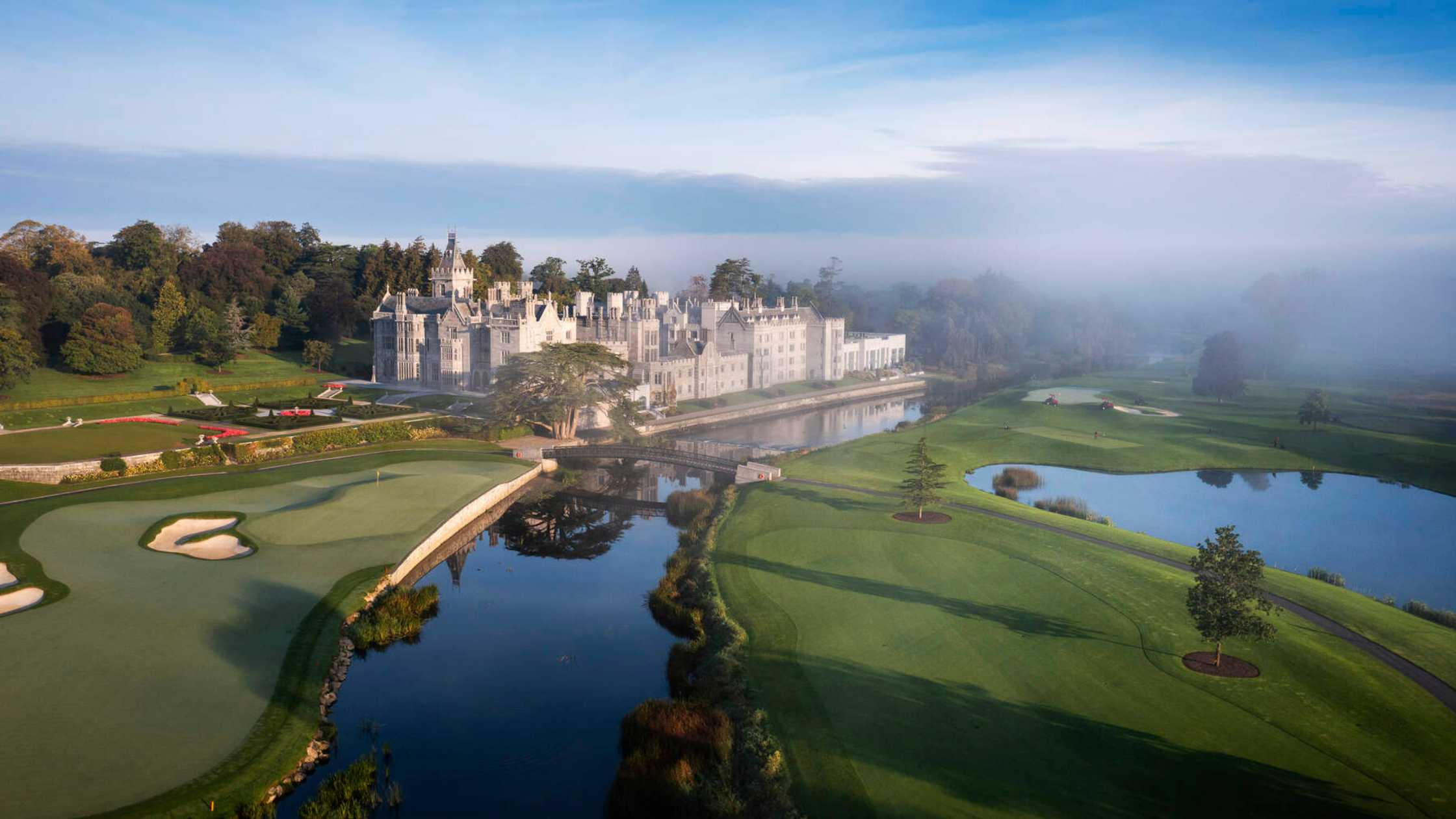
This tour, crafted for lasting memories, includes world-class golf, exclusive whiskey experiences, and cultural gems.
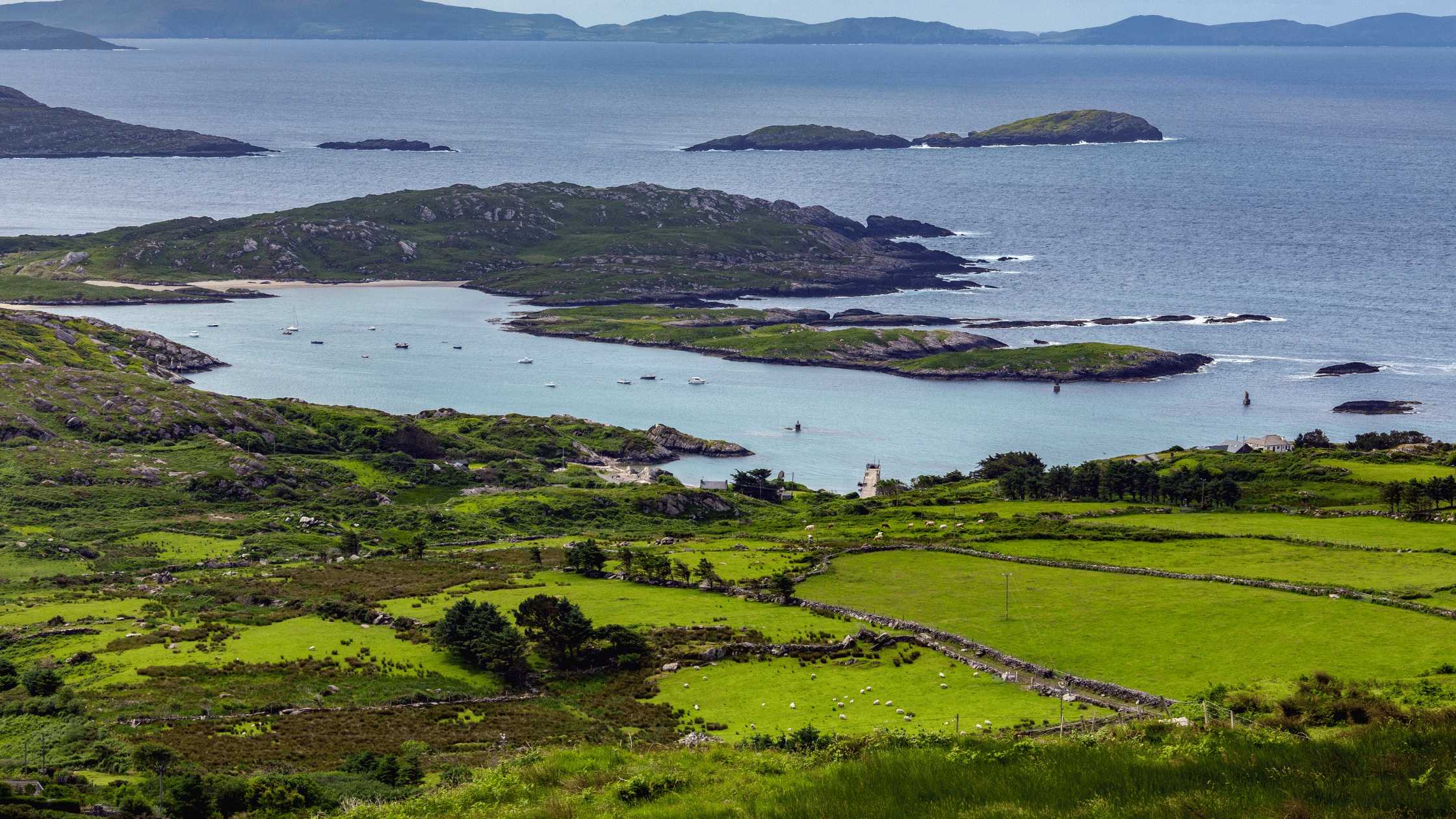
Travel Ireland’s Wild Atlantic Way where each stop unveils a blend of rugged landscapes and luxurious comfort.
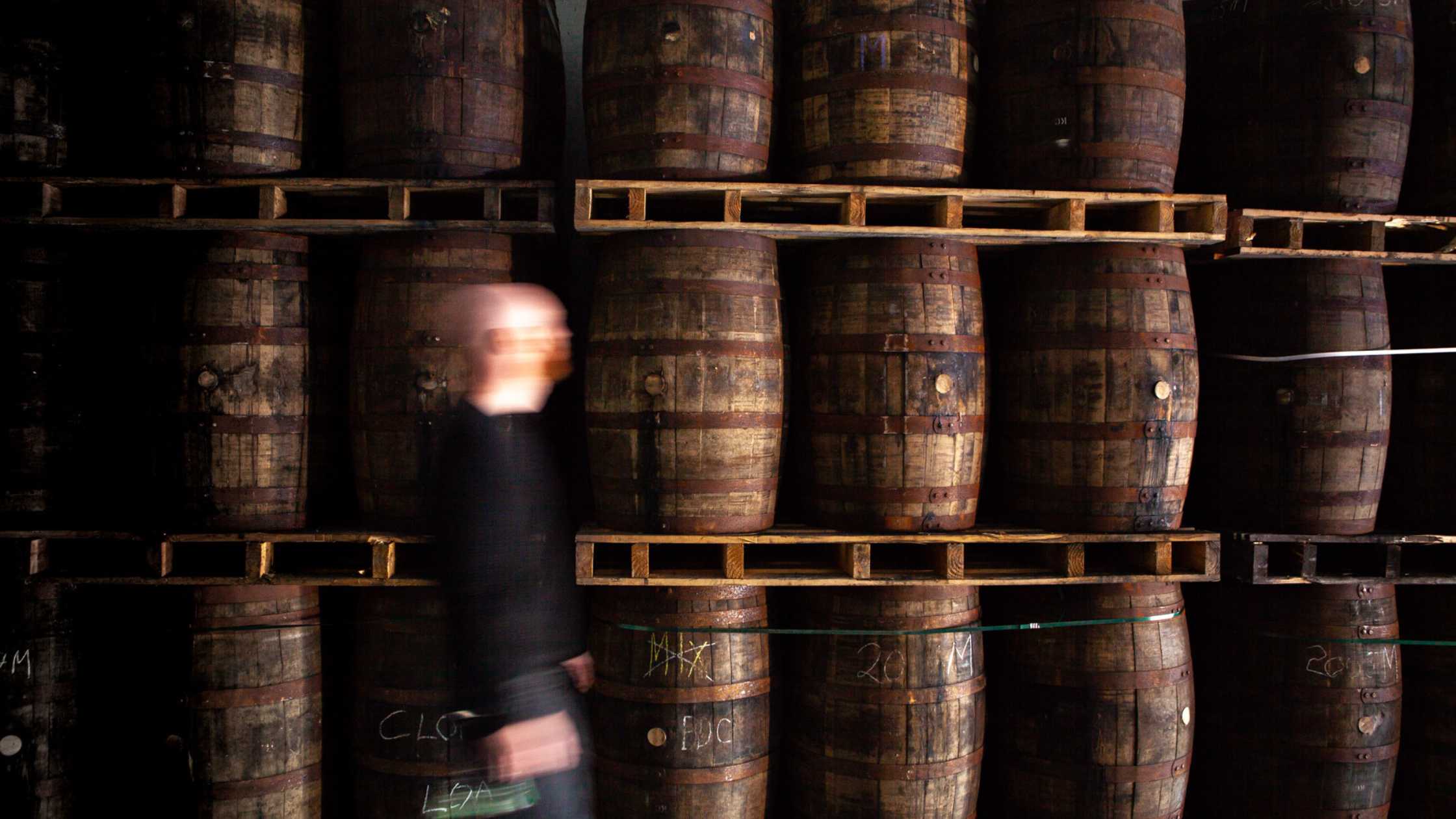
From the historic streets of Dublin to the scenic beauty of West Cork and Kerry, this tour offers a blend of luxury stays, exclusive distillery visits, and cultural immersion.